For many veterans and military families, transitioning into a new career can mean rediscovering purpose and community. At Hilton, we are committed to supporting this transition by creating workplaces where anyone can thrive, including those who have served and those who have supported them.
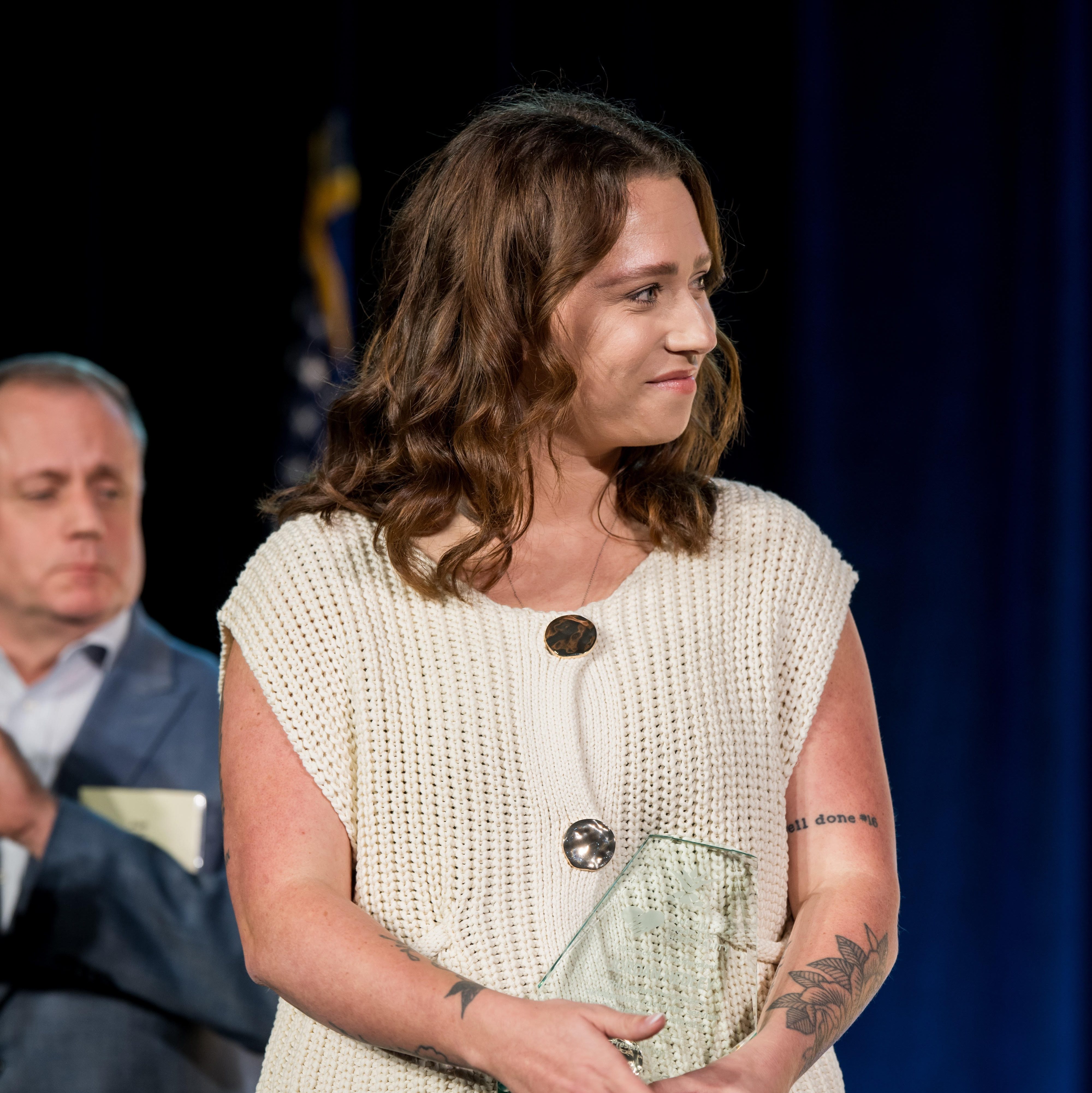
That commitment comes to life through Team Members like Jordan, Fitness Studio Manager and proud member of a military family, who leads a team of veterans at Hilton Austin. Bringing empathy, discipline, and deep understanding to her role, Jordan’s story reflects what Hilton strives to provide around the world: a place where veterans can grow into the next chapter of their careers.
In our conversation, she shares how growing up in a military household shaped her approach to leadership and how simple acts of genuine care can transform veterans’ experiences as they enter the civilian workforce.
What drew you to Hilton?
“Working in the hospitality space felt like a natural progression in my life after being an avid theme park and resort kid! I have always loved the magic team members could create for guests, and I wanted in on it, too! When the opportunity to join Hilton arose, it was an easy yes. I had had nothing but good experiences at Hilton, not to mention the company’s incredible reputation.”
Are there any values or habits from your military upbringing that you find especially useful in your day-to-day work?
“Coming from a military family, I learned early on the value of discipline, preparation, and accountability. My parents always stressed that success is not about avoiding failure but about how you respond when things do not go as planned. That lesson has shaped my entire approach to leadership.
In any role, mistakes are inevitable. The key is to create a culture where people feel safe and strong enough to learn from them. I never want the mindset on my team to be, I messed up; I cannot tell my boss.’ Instead, it should be, ‘I messed up; let me go to my boss for advice or to share the solution I’ve already prepared.’ That shift in thinking builds confidence, accountability, and trust.”

How has your own experience as a military family member shaped your perspective on supporting veterans in the workplace?
“After retiring with 22 years in the Coast Guard as a Senior Chief, my mom was diagnosed with PTSD and an autoimmune disorder — all while struggling to find her purpose again, and within just a few years. I have seen firsthand how difficult it can be for veterans to rediscover who they are after giving everything for decades. It made me think how different things might have been if she had access to the kinds of support we have at Hilton Austin, like a caring HR team or even a quiet space reserved for therapy or mental breaks.
In my experience, sometimes the most meaningful thing you can do to support veterans is ask how they are really doing or keep your door open. That simple act of genuine care can change someone’s day, or even their future.”

What advice would you give to other Team Members who want to support veterans joining Hilton?
“Two words of advice: If you are leading veterans, remember this: they are problem solvers, and incredible ones at that. Hospitality can be mentally taxing, especially when we are the ones hosting and making it right for others. On my team, we follow the 1-3-1 method: one problem, three fantastic solutions, and the responsibility is for them to choose one. This approach builds independent thinking, leadership, and a deeper understanding of what we can and cannot do as the world’s hosts.
If you are working alongside veterans, community is everything. Many of them spent years as part of a tightly knit team and now are navigating life more independently. Helping them find that sense of community again and making them feel part of a team is what Hilton does best.”